How to Start a Restaurant in Kuwait: A Practical Guide for New Food Businesses
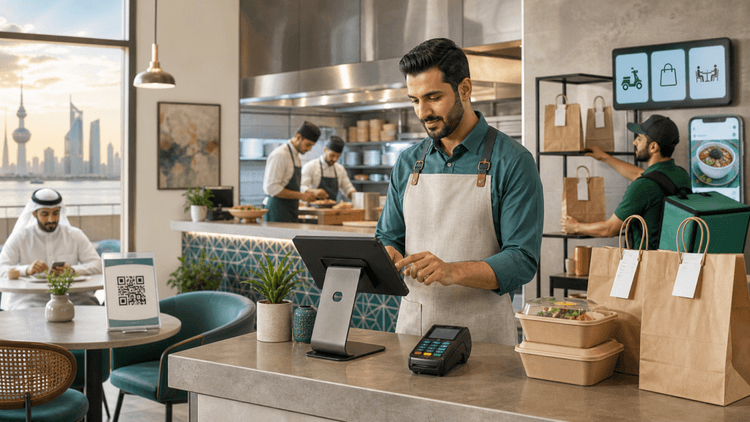
How to Start a Restaurant in Kuwait: A Practical Guide for New Food Businesses
Starting a restaurant in Kuwait is an exciting opportunity, but success takes more than a good menu. From getting the right license to choosing a strong location, setting up a reliable POS system, joining delivery platforms, and building your own online ordering website, every decision affects how smoothly your restaurant runs and how quickly it grows.
1. Get the Right Licensing and Approvals
The first step to starting a restaurant in Kuwait is making sure your business is properly licensed. This usually begins with selecting the right business activity, registering your company, and applying through the relevant government channels such as the Ministry of Commerce and Industry and Kuwait Business Center.
Because restaurants handle food, your location, kitchen setup, storage, staff requirements, and safety standards may also need approvals from the relevant municipal and food safety authorities. Before signing a lease or buying equipment, confirm what approvals are required for your restaurant type, whether it is a dine-in restaurant, cafe, cloud kitchen, dessert shop, or takeaway concept.
2. Choose a Location That Matches Your Concept
Location can make or break a restaurant. In Kuwait, areas like Kuwait City, Salmiya, Hawally, Shuwaikh, Fahaheel, Mahboula, and The Avenues attract different types of customers, so the best location depends on your concept and pricing.
If your restaurant depends on dine-in customers, look for visibility, parking, foot traffic, and nearby offices or residential areas. If your business is focused on delivery, you may benefit more from a central kitchen location that helps you reach more delivery zones quickly. A good location should support your menu, your customer base, and your daily operations.
3. Set Up the Right Technology: POS System and KNET Machine
A modern restaurant POS system in Kuwait is one of the most important tools for running your business. Your POS should help you manage orders, payments, tables, menus, discounts, staff, sales reports, and inventory from one place.
For restaurants, cafes, and cloud kitchens, a good POS system can send orders directly to the kitchen, reduce mistakes, speed up checkout, and give you clear reports on what is selling. You should also set up a reliable KNET machine or payment terminal so customers can pay easily by card, along with online payment options for delivery and pickup orders.
The right technology makes daily work easier for your staff and gives you better control over your restaurant’s performance.
4. Market Your Restaurant Through Delivery Aggregators
Food delivery is a major part of the restaurant market in Kuwait. Platforms such as Talabat, Deliveroo, Keeta, and other delivery aggregators can help new restaurants reach customers faster, especially during the early launch stage.
When joining delivery platforms, make sure your menu is easy to read, your photos look appealing, and your pricing works after commission and delivery costs. Use promotions carefully to attract first-time customers, but avoid discounts that hurt your profit margins. Aggregators can bring visibility, but your food quality, packaging, speed, and reviews will decide whether customers order again.
5. Build Direct Ordering for Better Control
Delivery apps are useful, but your restaurant should also have its own direct ordering channels. A restaurant website, online ordering system, QR menu, and dine-in ordering experience can help you reduce dependency on third-party platforms and build a stronger relationship with your customers.
With a direct online ordering website, customers can order pickup or delivery from your brand without searching through competing restaurants. You can also collect customer data, promote loyalty offers, share new menu items, and keep more control over the customer experience.
For dine-in restaurants, QR menus and table ordering can make service faster and more convenient, especially during busy hours. When your direct ordering system connects with your POS software, orders flow more smoothly from customer to kitchen to payment.
6. Scale Your Restaurant the Smart Way
Once your restaurant is running well, scaling becomes the next goal. This could mean adding new menu items, opening another branch, launching a cloud kitchen, expanding delivery zones, or building a stronger catering and corporate orders business.
Before scaling, use your POS reports to understand your best-selling items, busiest times, average order value, customer preferences, and food costs. Strong data helps you grow with confidence instead of guessing. A scalable restaurant needs consistent recipes, trained staff, reliable suppliers, clear operations, and technology that can support more orders and more locations.
Conclusion
Starting a restaurant in Kuwait is a rewarding journey when you build it on the right foundation. Licensing, location, technology, marketing, direct ordering, and scaling all work together to shape your success.
By choosing the right restaurant POS system, setting up a KNET payment machine, joining food delivery aggregators, and building your own online ordering website, you can create a smoother experience for your customers and a more organized operation for your team. In Kuwait’s competitive food market, the restaurants that grow are the ones that combine great food with smart systems.
تواصل معنا
في اوردبل/، نسعى لتطوير و مساعدة الشركات في تبسيط عملياتها. إذا كنت مستعدًا لتحسين إدارة الطلبات وزيادة مبيعاتك، تواصل معنا.