Understanding the Role of POS Systems in Business Growth
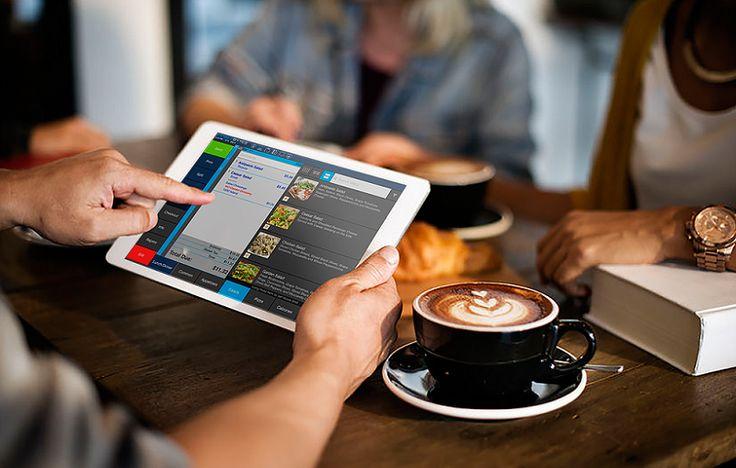
A point of sale system is more than a tool for accepting payments. For modern businesses, a POS system helps connect sales, inventory, customer data, staff performance, and reporting in one place. Whether you run a restaurant, retail store, cafe, or service-based business, the right POS can simplify daily operations and support long-term growth.
What Is a POS System?
A POS system is the technology businesses use to complete sales transactions. It can include hardware such as cash registers, barcode scanners, receipt printers, card readers, and tablets, as well as software that manages orders, payments, products, and reports. Instead of only processing purchases, today’s POS systems help businesses understand what is selling, when customers are buying, and how operations can be improved.
Improving Sales and Checkout Efficiency
Fast and reliable checkout is essential for creating a smooth customer experience. A modern POS system allows staff to process orders quickly, accept multiple payment methods, apply discounts, issue receipts, and reduce manual errors. For busy businesses, especially restaurants and retail shops, this speed can lead to shorter wait times, happier customers, and more completed sales.
Managing Inventory in Real Time
One of the biggest advantages of using a POS system is real-time inventory tracking. Every sale can automatically update stock levels, helping businesses know which products are available, which items are running low, and which products are not performing well. This reduces the risk of overselling, prevents unnecessary waste, and makes it easier to plan future purchases.
Using Sales Data to Make Better Decisions
A POS system gives business owners access to valuable sales reports and performance insights. By reviewing data such as best-selling products, peak sales hours, average order value, and customer buying patterns, businesses can make smarter decisions. These insights can guide pricing, promotions, staffing, menu updates, and product planning.
Connecting Online and In-Store Orders
Many businesses now sell through multiple channels, including physical locations, websites, apps, and delivery platforms. A connected POS system helps bring these orders together, reducing confusion and keeping operations organized. When online and in-store sales are managed from one system, businesses can provide a more consistent experience for customers and staff.
Enhancing Customer Experience and Loyalty
A POS system can also help businesses build stronger customer relationships. Features such as customer profiles, loyalty programs, order history, and personalized offers allow businesses to better understand their customers. This makes it easier to reward repeat buyers, recommend relevant products, and encourage customers to return.
Supporting Staff and Daily Operations
POS systems can make daily work easier for employees by simplifying tasks such as taking orders, splitting bills, managing tables, processing refunds, and tracking shifts. With clear workflows and accurate information, staff can work more confidently and efficiently. This helps reduce training time and improves overall service quality.
In conclusion, a POS system plays a vital role in helping businesses operate more efficiently and grow with confidence. By improving checkout speed, tracking inventory, analyzing sales data, and connecting different sales channels, businesses can create a smoother experience for both customers and staff. Investing in the right POS system is not just about processing payments; it is about building a stronger foundation for better business performance.
تواصل معنا
في اوردبل/، نسعى لتطوير و مساعدة الشركات في تبسيط عملياتها. إذا كنت مستعدًا لتحسين إدارة الطلبات وزيادة مبيعاتك، تواصل معنا.